Six powers, same rules.
Every faction has its own traits, a unique technology and component, but ships, troops, buildings and superweapons are the same for everyone. Whoever reads the table best wins.
 NOVA REGNUM
Turn-based space strategy, free in your browser. Six powers fight over the dark heart of the galaxy: you have 8 cycles to expand, arm your fleet, make — or break — alliances and take the Crown.
 nova-regnum-game.web.app
 nova-regnum-game.web.app
 nova-regnum-game.web.app
Year 3417 of the Extended Calendar. For twelve centuries the Lattice — a web of portals left behind by a vanished civilisation, the Precursors — held the inhabited galaxy together. Then, in a single night that the chronicles call the Silent Night, it went dark.
Without the Lattice, every world found itself alone, months of travel from the next. The Concord Empire, which ruled through the portals, collapsed within a generation. Six powers rose in its place, each built on what was left: minerals, energy, faith, smuggling, and fragments of Precursor knowledge.
Probes record a steady heartbeat from the Heart of the Core: the Sentinels are waking up.
A Lattice portal lit up for three seconds, then went dark again. Every power saw it.
Merchants speak of Precursor ruins surfacing from the dust after a stellar storm.
Every game begins with a different signal from the Core.
Every faction has its own fleet, technologies, component and doctrines. Tap one.
«The void does not forgive. Neither do we.»
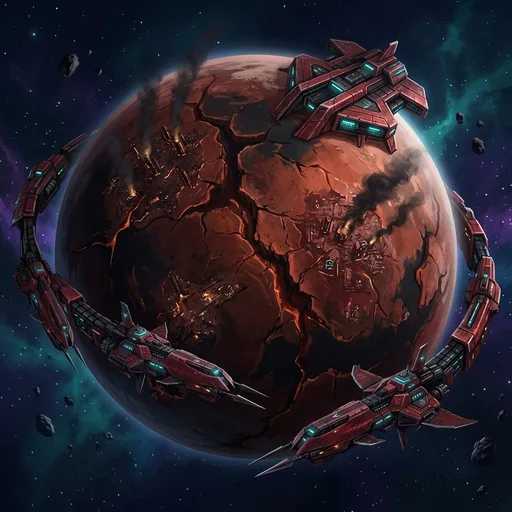
Raiders born aboard ship: they win by attacking and pay in knowledge.

Nine tastes of the real game: swipe or tap a tab.
The game lasts 8 cycles. At the end, whoever has the most victory points wins.
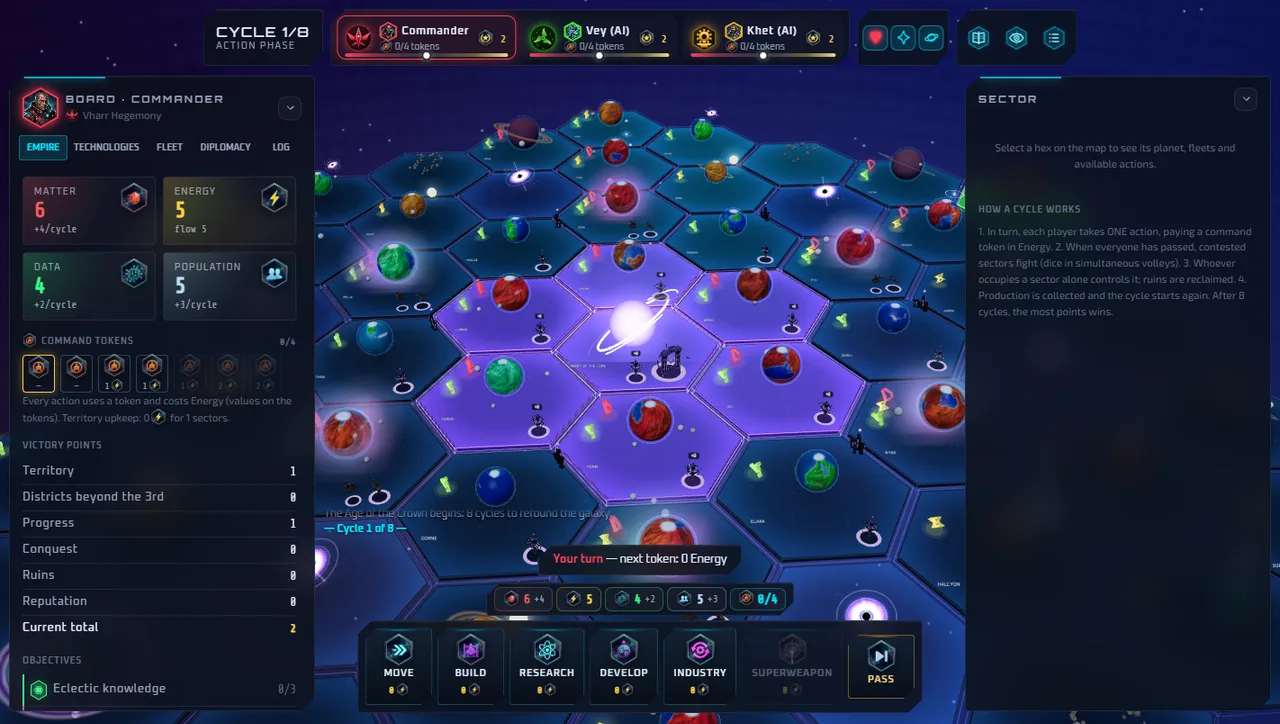
In turn, one action at a time paying a command token: move, build, research, develop, convert.
When everyone has passed, contested sectors fight. Planned attacks launch together.
Whoever is left alone in a sector controls it; Precursor ruins are reclaimed.
Matter, Energy, Data and Population from your planets. And it starts again.
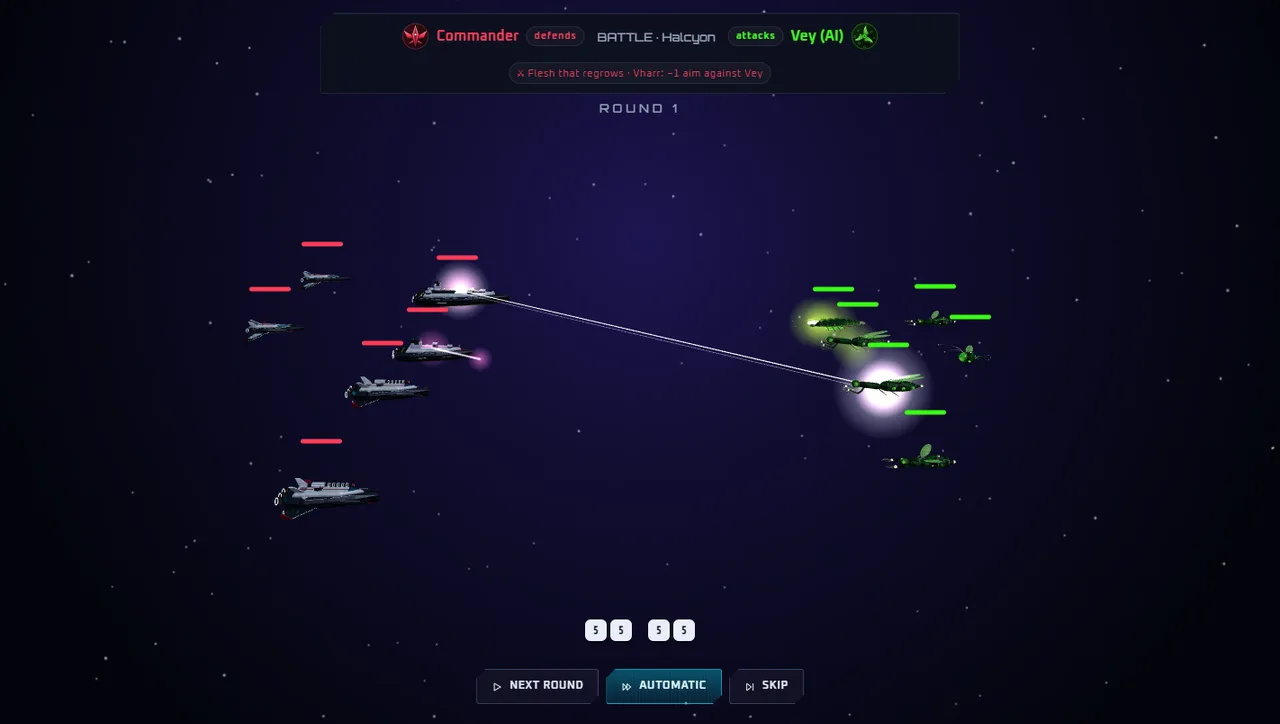
nova-regnum-game.web.appnova-regnum-game.web.appThe 3D viewer rebuilds the battle from the dice log: lasers, plasma, gauss, missile swarms, photon torpedoes — with colours and effects that change by weapon and faction.
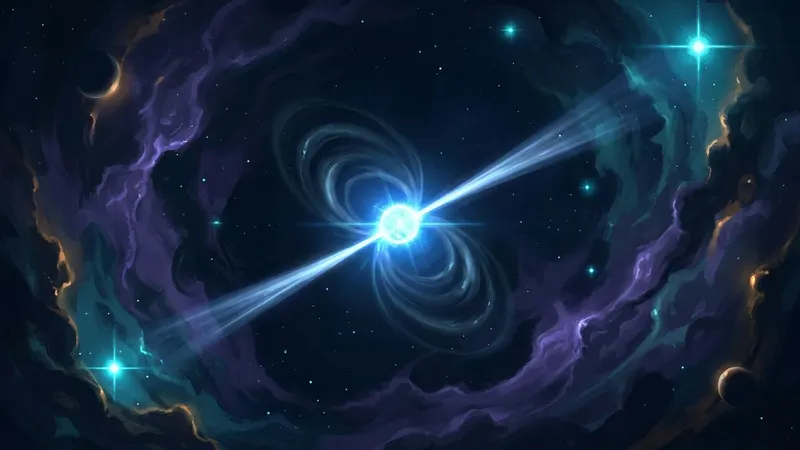
Planets generated every game, orbiting moons, rings, fleets with animated models. Every celestial body changes the rules of its sector.


 nova-regnum-game.web.app
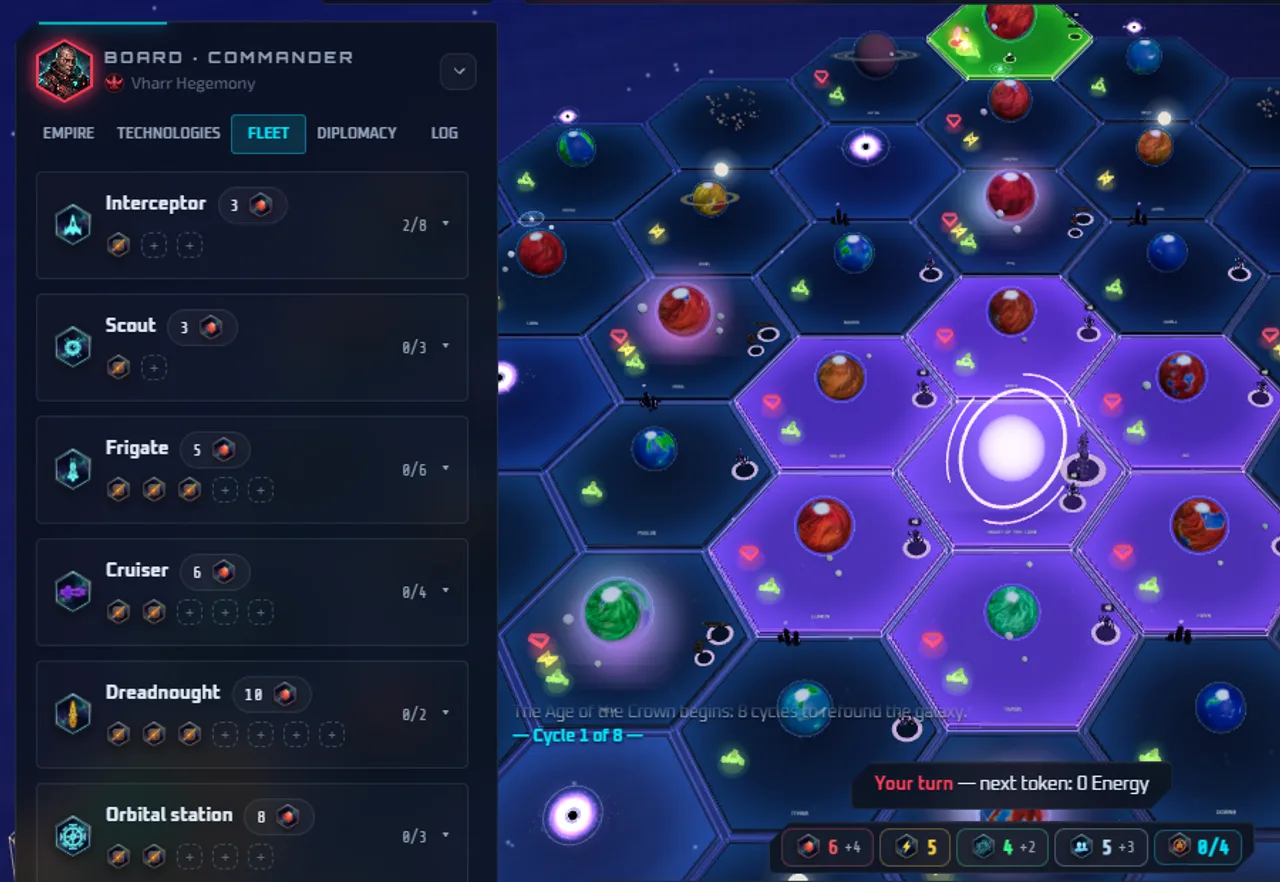
Fit weapons and components into each class's slots, upgrade them up to Mk III. 4 technology tracks, advanced projects and a unique technology per faction.
nova-regnum-game.web.appnova-regnum-game.web.app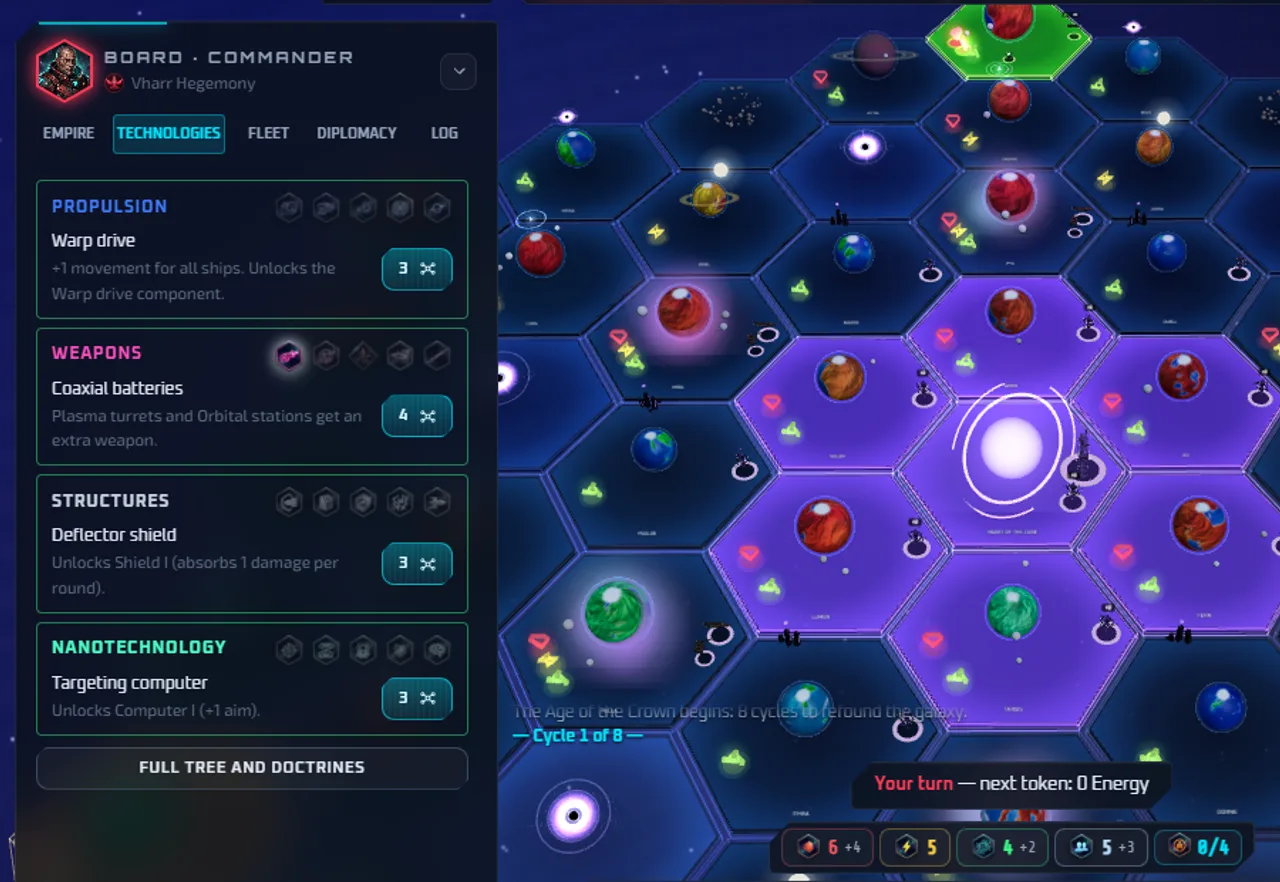
You choose it when you create the game, and it is the same for every commander. Online, whoever creates the game decides.
Every faction has its own traits, a unique technology and component, but ships, troops, buildings and superweapons are the same for everyone. Whoever reads the table best wins.
Every faction changes by about 40%: its own ships, technologies and upgrades, a troop, a building and a defence only it has, its own superweapon and new rivalries. It does one thing brilliantly and another badly: you win by playing its game.
 Vharr
Raid: strike first, win the fights and take Matter; build no walls.
 Raiders' den
 Boarding rams
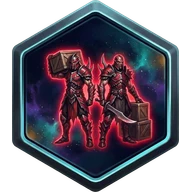 Clan raiders
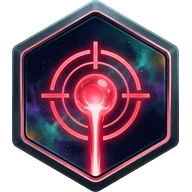 Superweapon: Boarding horde
 Khet
Fortress: rich mines and fleets that never fall, but slow; advance slowly and hold everything.
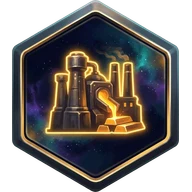 Guild refinery
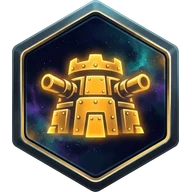 Guild bastion
 Guild sappersSuperweapon: Orbital hammer
 Seliane
Quality: fast research, the best ships of all, but few and costly.
 Choir resonator
 Phase mirror
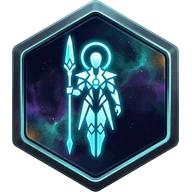 Choir keepersSuperweapon: Song of the Lattice
 Aurelion
Pilgrimage: ruins and the Core, shields and repairs; win by arriving, not by destroying.
 Sanctuary
 Beacon of the Dawn
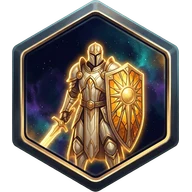 Paladins of the DawnSuperweapon: Dawn
 Nyx
Mobility: get everywhere first, trade and take; avoid head-on fights.
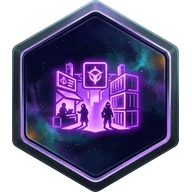 Free port
 Ghost mines
 InfiltratorsSuperweapon: Big score
 Vey
Swarm: many ships that regrow and feed on the enemy; numbers against quality.
 Brood vat
 Dormant spores
 BroodSuperweapon: Spores
Weekly challenges 11 to 20 are played with the asymmetric factions.
nova-regnum-game.web.app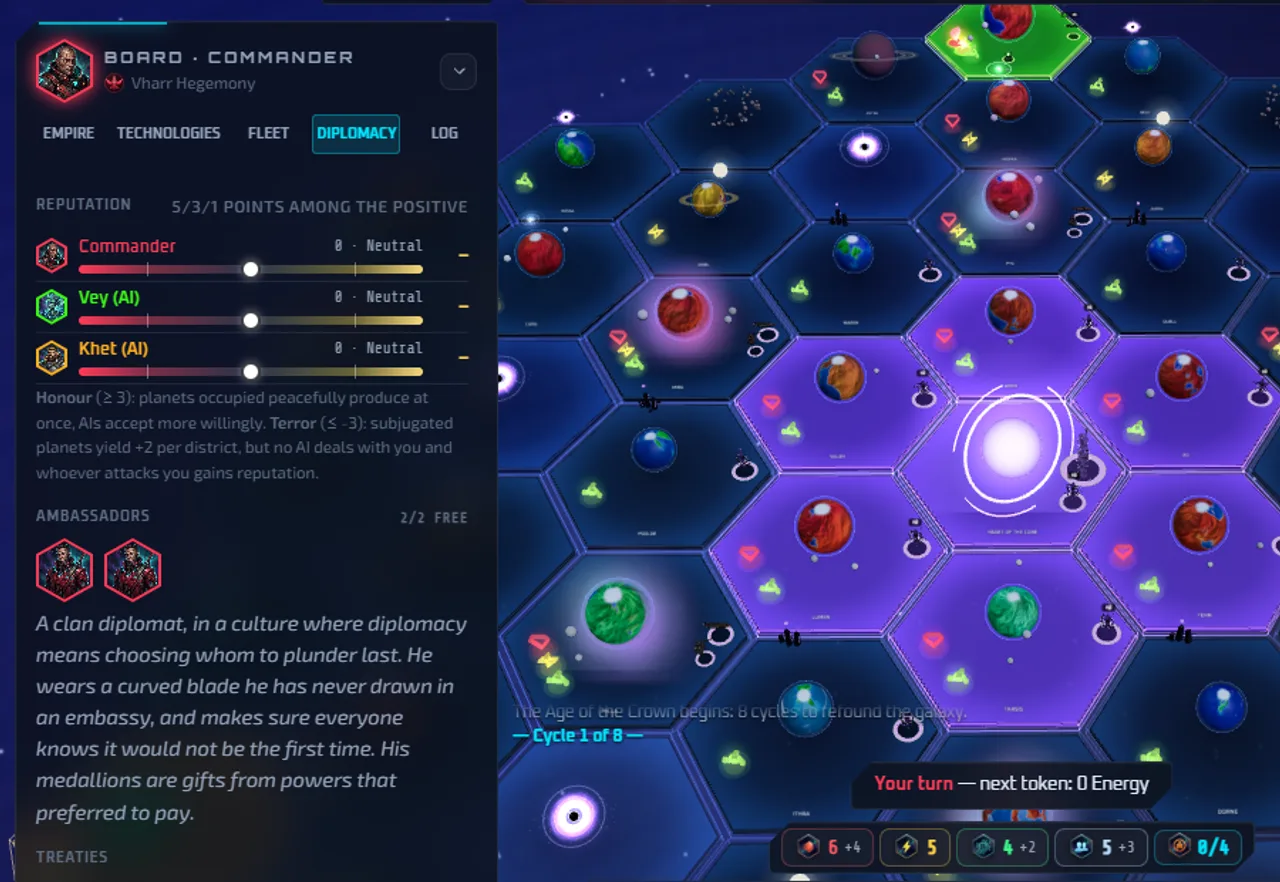
A module you switch on when you create the game: the galaxy stops talking only through its guns. Peace, trade and alliance treaties with an exchange of ambassadors, resource trades and a reputation that follows every choice, including what you do with conquered planets. Off, it is pure war.
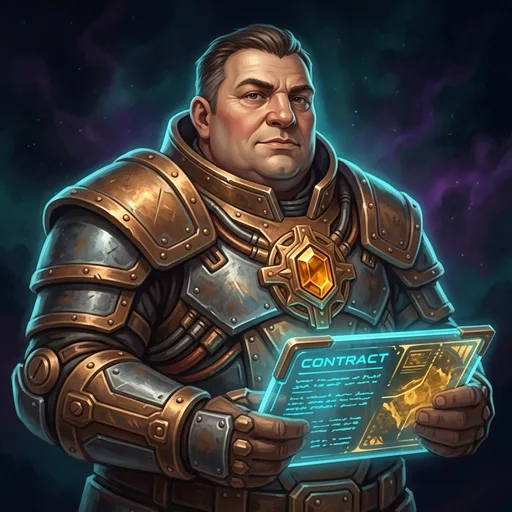
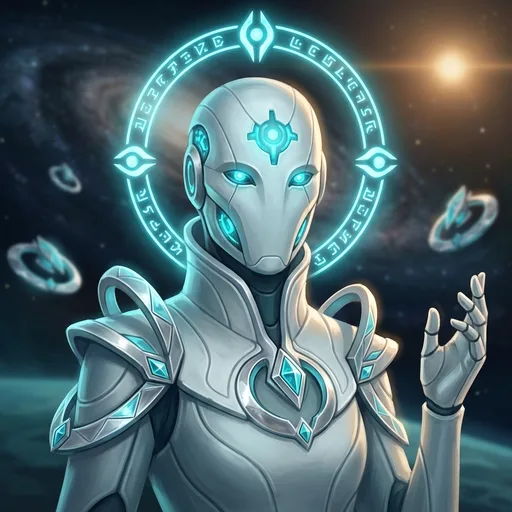
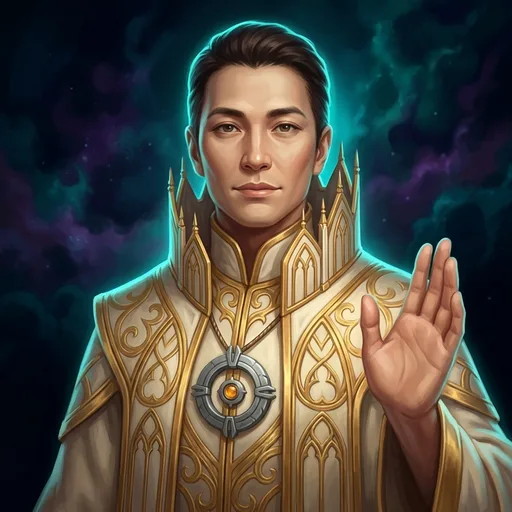

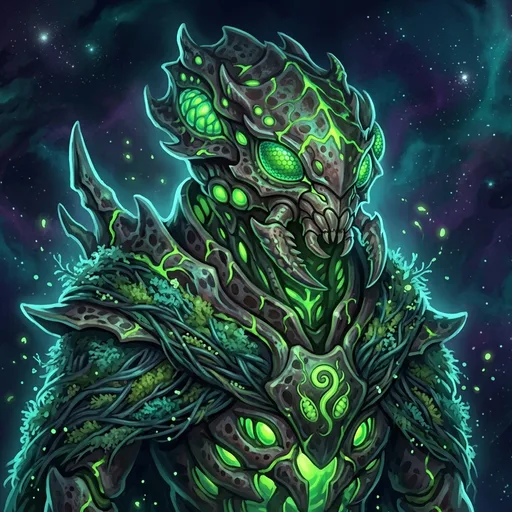
A game already set up on a small map, against an AI written for it, to be solved in a few cycles: hold a pass, escort a convoy, win an impossible alliance, shut down a superweapon before it fires. Twenty challenges, ten with the standard factions and ten with the asymmetric ones: you start from the first in the week you register, then a new one every Monday.
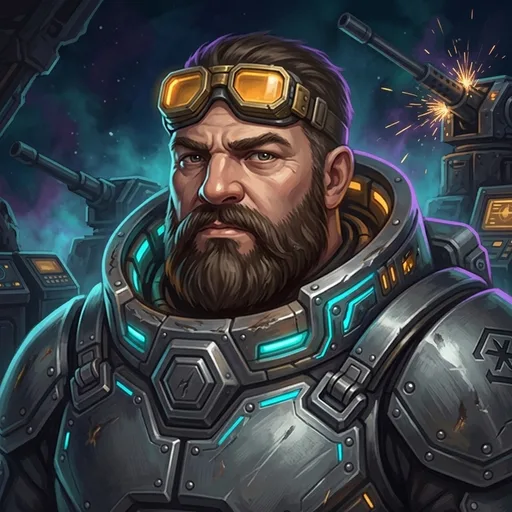
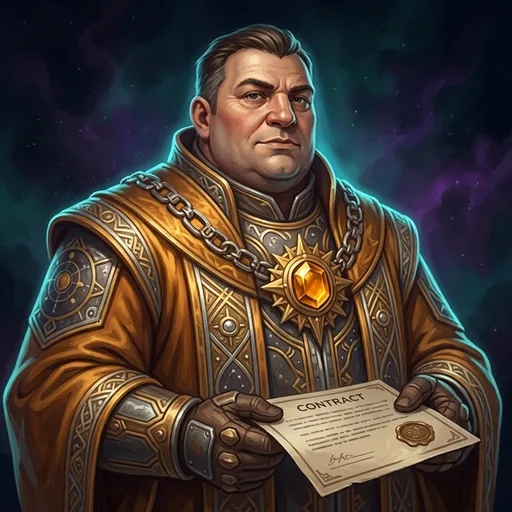
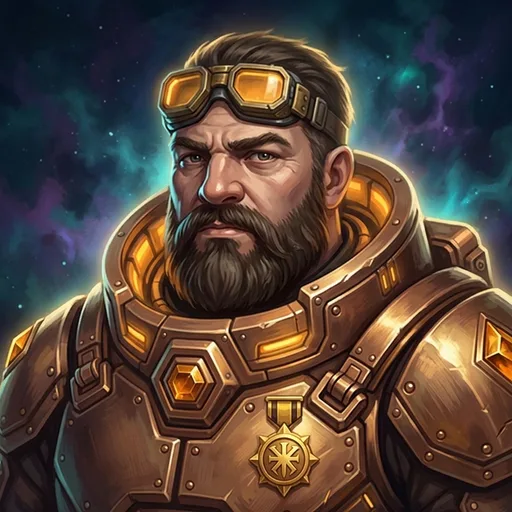
Cosmetic rewards only, no advantage in play. You can play without an account; to receive the rewards you need one: the server replays your game before granting them.
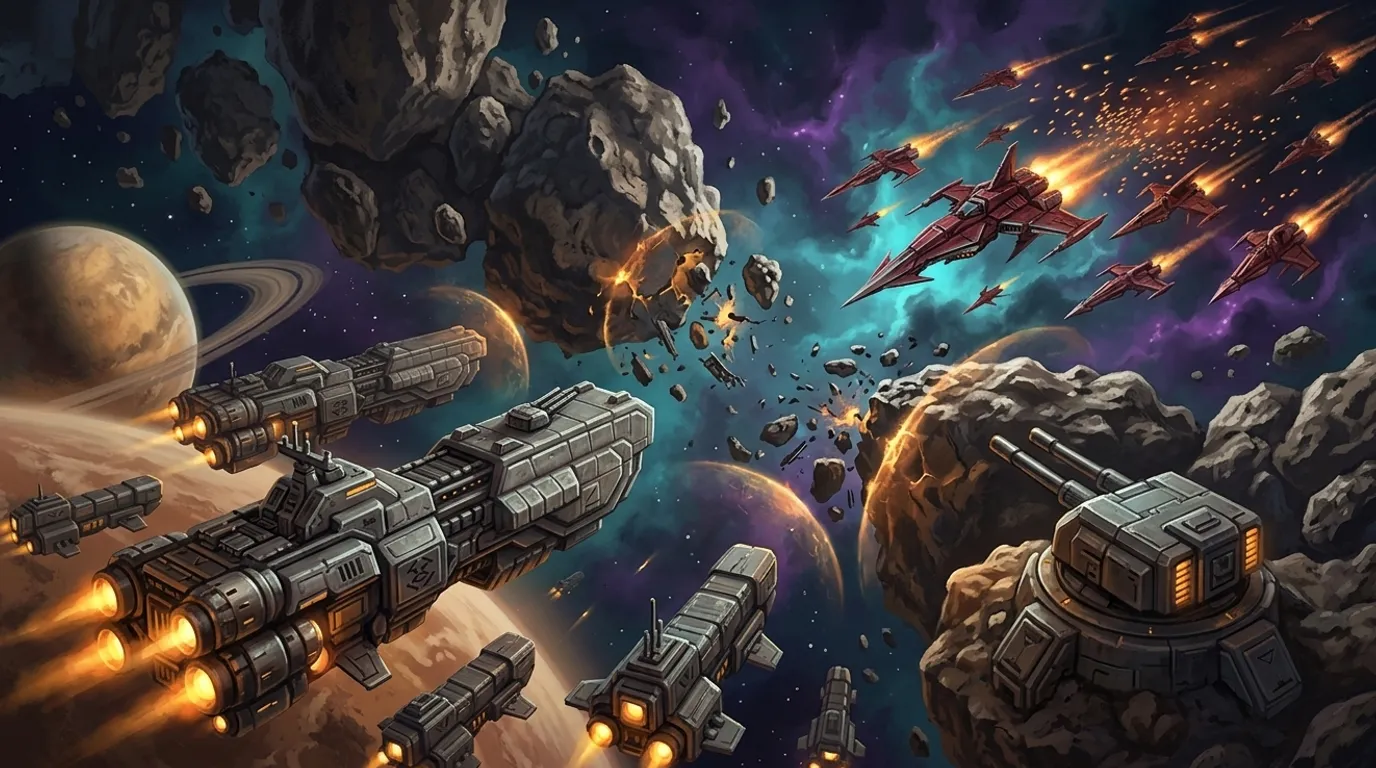
«Khet has hidden behind its rocks for centuries. Let us see whether its towers can bleed as well.»
The usual game, with all its options, but the galaxy does not sit still: every cycle brings events announced one cycle ahead, ever more severe — storms, raiders, pandemics, supernovae. 40 events in four levels of severity, and among them 6 opportunities to seize.
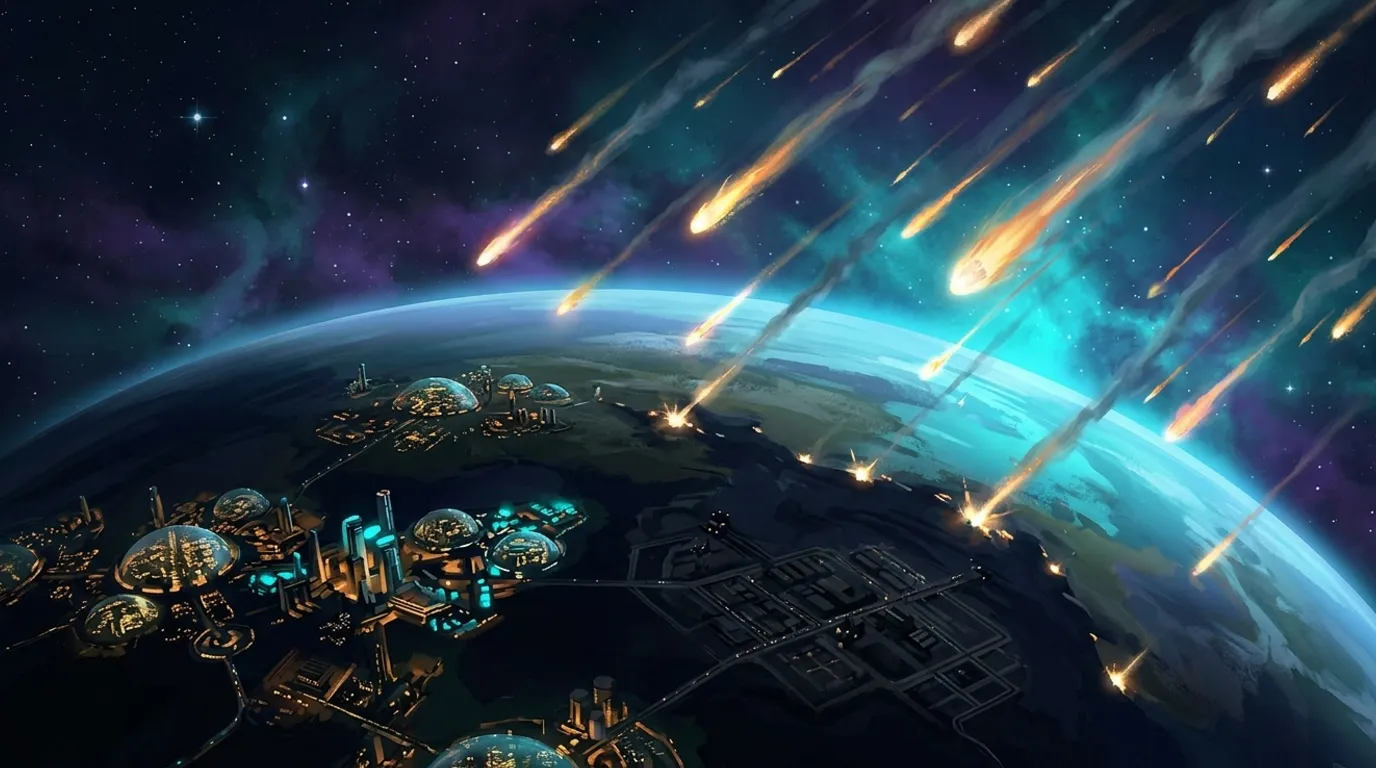
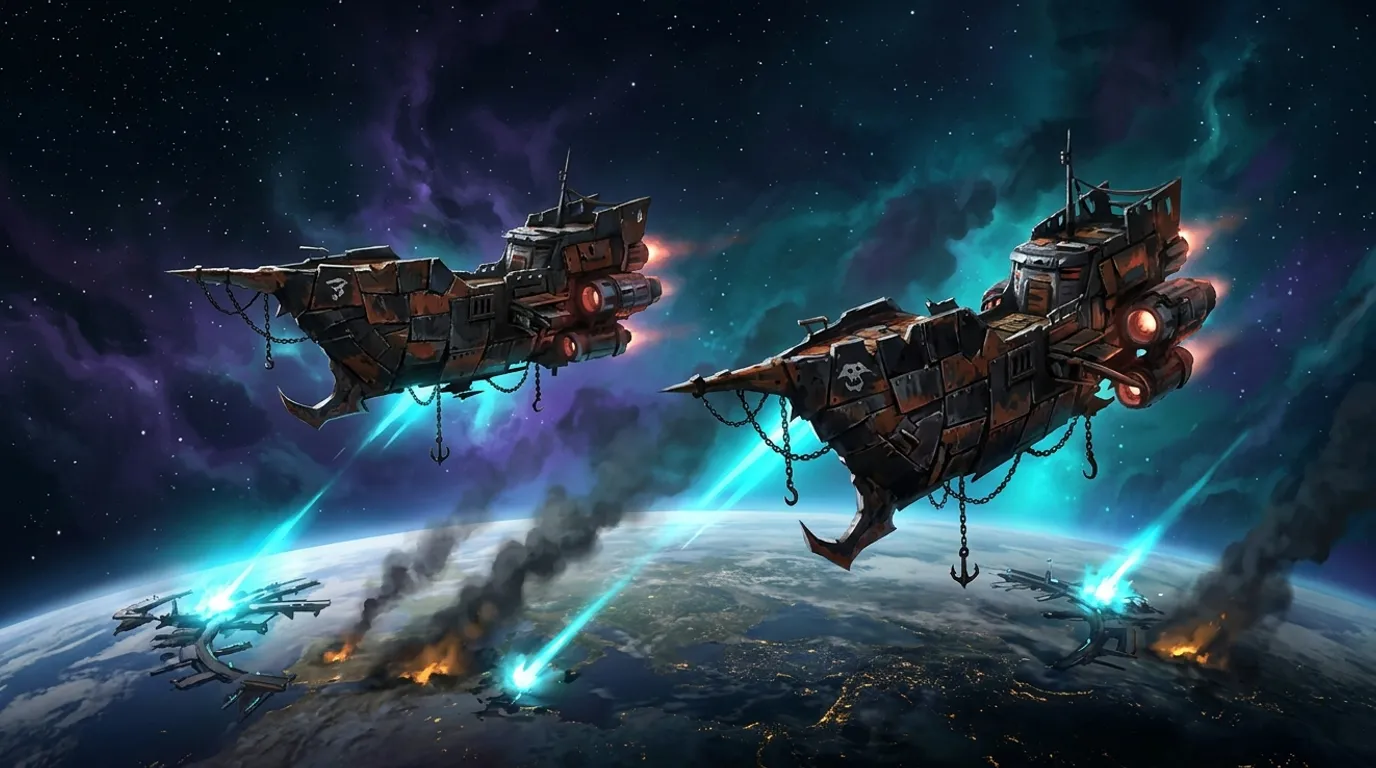
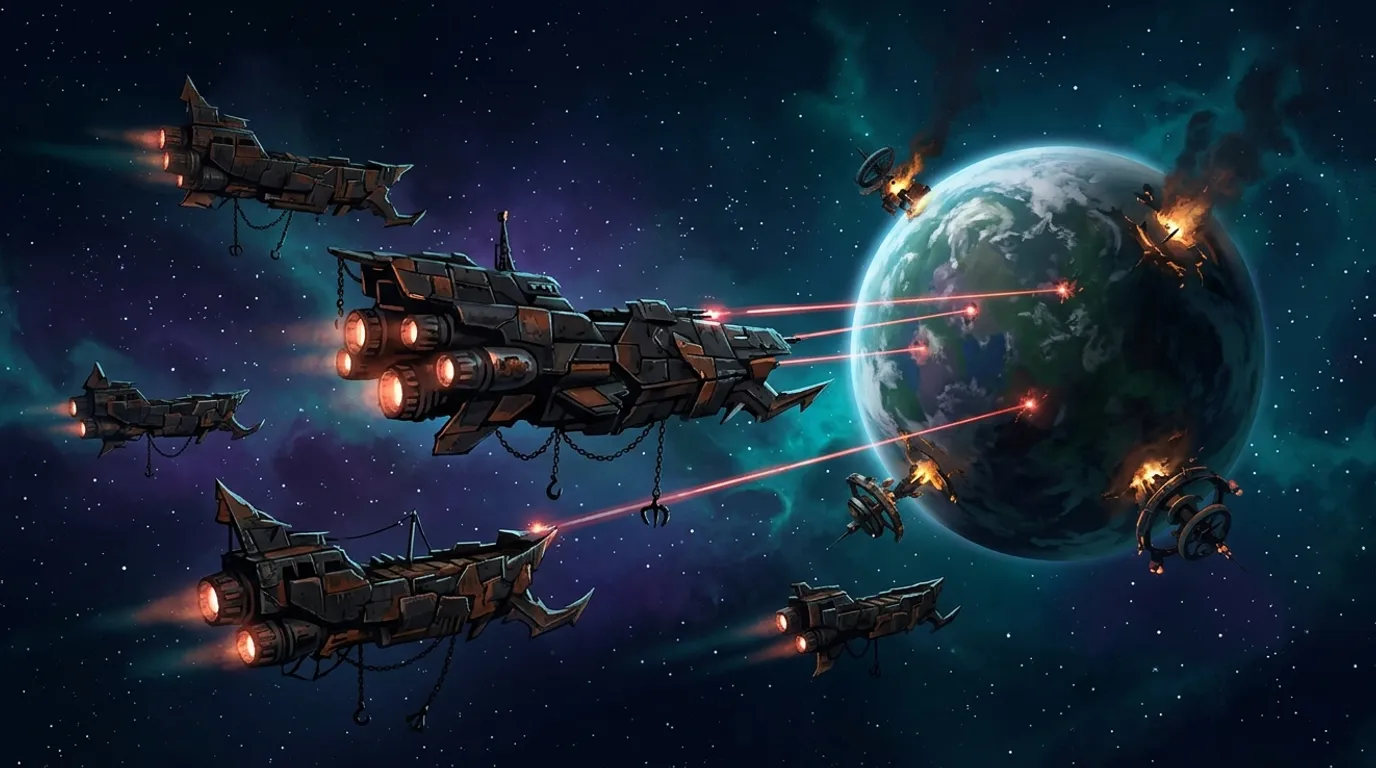
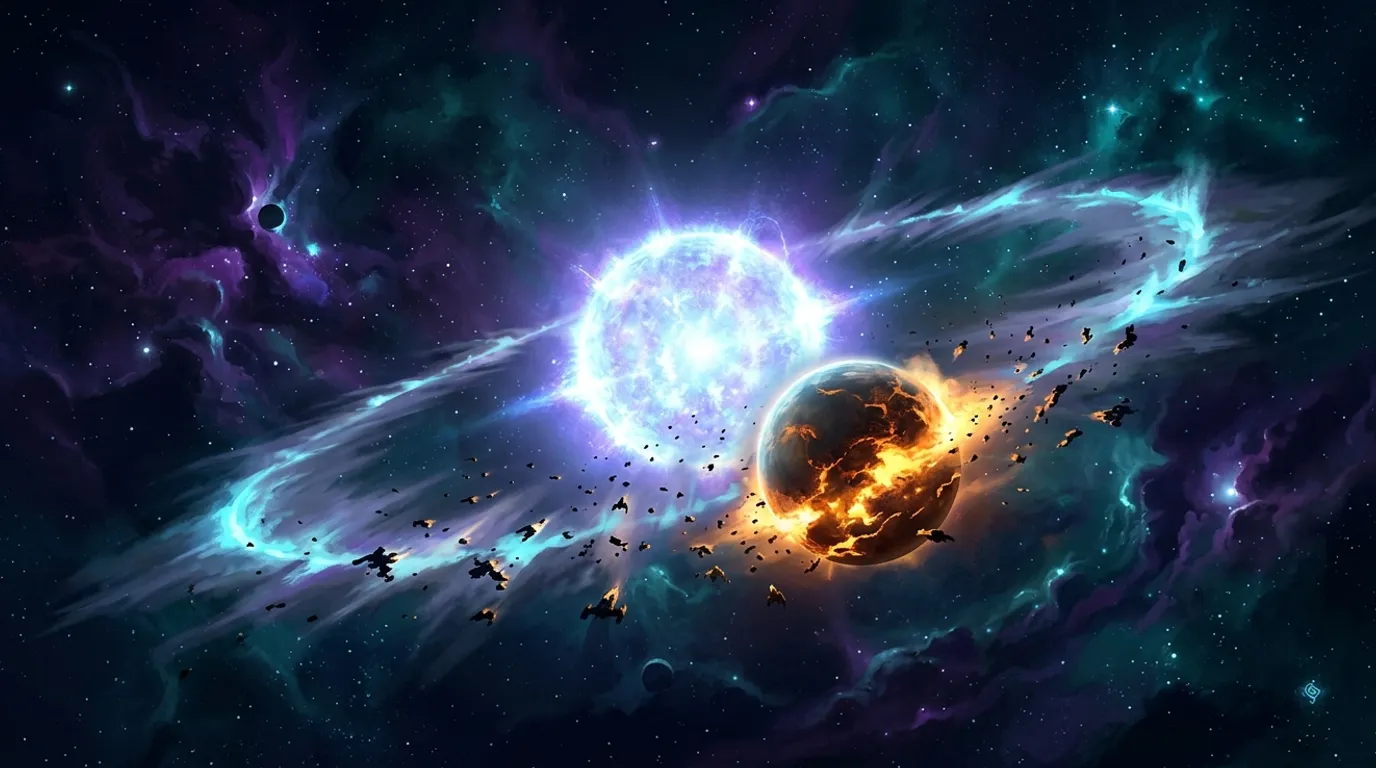
Everyone for themselves, against the others and against the galaxy. Whoever averts an event scores points: with the right ship on the spot, by paying resources, with a project or by holding the Heart. With diplomacy on, saving a rival gives reputation.
Everyone on the same side: friends online or on the same device, and allied AIs. A shared Threat rises with every disaster and falls with every averted event: if it reaches the maximum, or if every capital falls, the galaxy falls. Three difficulties, up to three stars.
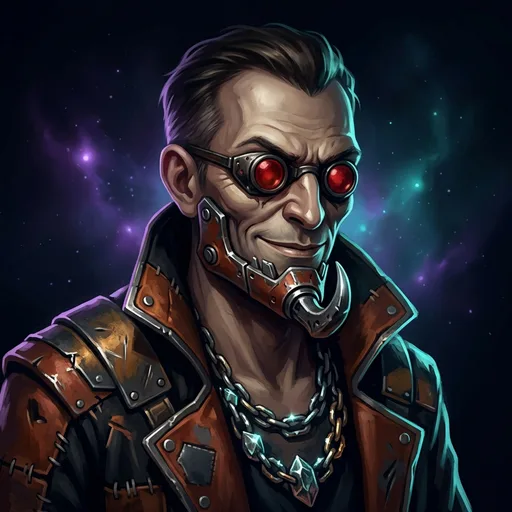
Negotiating with the galaxy. In Co-op the Raiders' emissary accepts tributes in Matter: delay an incursion by one cycle — but they come back stronger — or let it arrive weakened. Only a few per game: you have to choose when.
The game contains a book: six chapters telling of the Lattice, the Silent Night, the wars and the pacts between the powers. Every rivalry between factions is born there.
Chapter IV · The wars of the SilenceThe first blood was shed by the Vharr, and their target was the richest and the least prepared. A hundred and twenty years ago a clan flotilla appeared above the sanctuary of Aurelion, drawn by the rumours of the relics pilgrims brought there from every world, and found waiting for it only a twenty-year-old novice, Seraphine Vael, with twelve companions and a ceremonial cannon. The Sack of Aurelion failed, but since that day the clans have known the pilgrim routes by heart, and the Order has never stopped seeing them as living proof that the Lattice must be rekindled before the whole galaxy becomes like them.
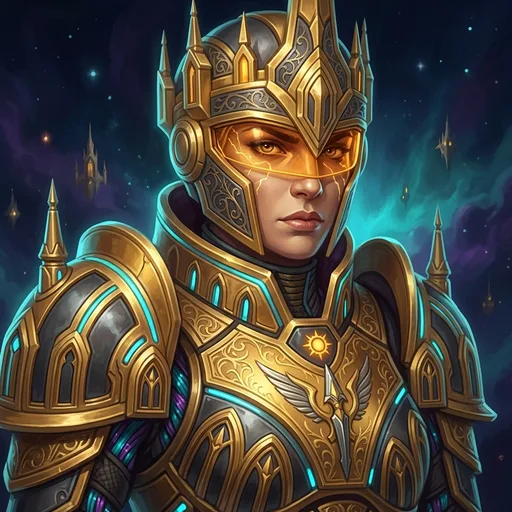
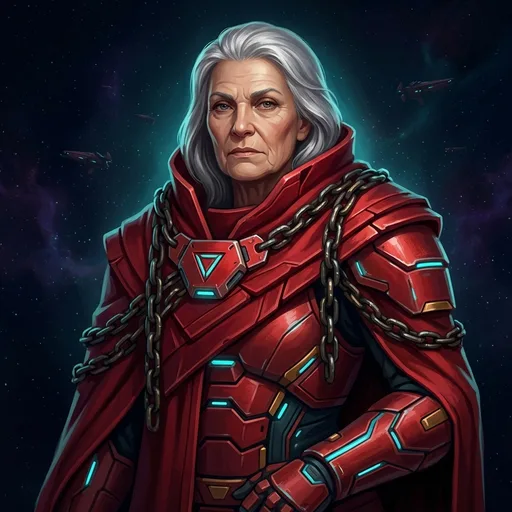
At fifteen she swore to protect the dead portal, and at twenty she defended the sanctuary from a Vharr raid with twelve novices and a ceremonial cannon. The golden visor-crown was given to her that day. She believes in the Lattice with a faith that admits neither doubt nor hesitation.
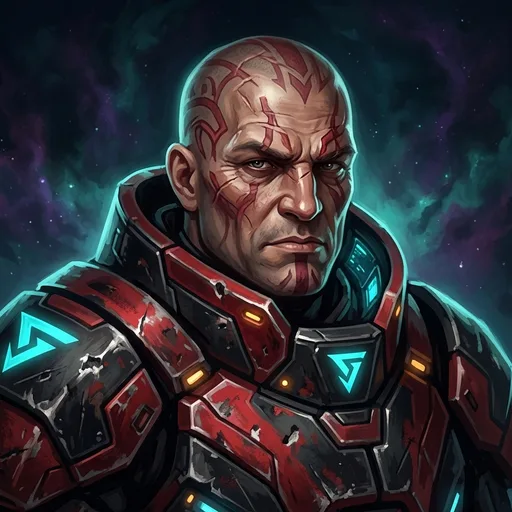
He has commanded the Blade of Varn for thirty-one years and has never lost a ship he had not already decided to sacrifice. Every crimson tattoo on his skull is a successful boarding; the missing ones, he says, are still waiting for him. At the Council of Clans he speaks little, and when he does the other captains stop drinking.
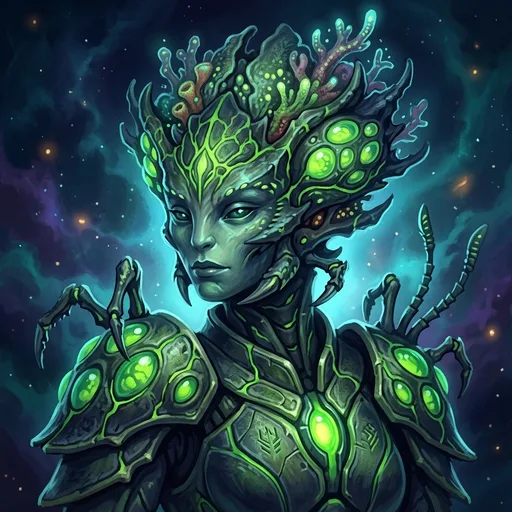
The oldest consciousness of the Brood, the first to wake when the Precursor signal went dark. Her head is a flower of living coral that releases spores with every breath, and every spore is a thought. When the Mother moves, the whole swarm changes direction.
Every faction has four commanders to choose from, each with their own story.
A game against the AI starts in a minute, in your browser. Nothing to install.
Create a game and send the code: 2 to 6 commanders, human or AI. It can be suspended and resumed when everyone is back.
No account, no network. AIs have styles and three tactics per faction: they never play the same way twice.
Several people on the same device, taking turns: the screen covers itself when handing over.
 Full CodexRules, factions, ships and technologies, searchable.
 Chronicles and endingsA book in six chapters, and a prologue and an ending for every faction.
 SoundtrackMusic and sound effects for weapons and explosions.
 Trophies and leaderboardBronze, silver, gold: for online players.
 Secret agendasA goal only you know.
 Precursor ruinsTo reclaim for points and rewards.
 Advanced projectsWormhole, EMP pulse, sabotage, nuclear warhead.
 CloakingInvisible fleets and detectors to find them.SuperweaponsPublic charges: everyone knows where they will strike.
 Faction rivalriesSworn enemies and favourite prey, born of centuries of war.
 Save and quitOnline games can be suspended and resumed.
 InstallableAdd it to your home screen like an app.
Yes: it is free to play in the browser, with no ads, with Aurelion, Vharr and Nyx, online and against the AI, with Survival, the weekly challenge and the first Campaign chapter. The Admiral Edition, an optional one-time purchase, adds Ferrum, Seliane and Vey, Campaign chapters II-VI, the Asymmetric rules and Co-op; online, only whoever creates the game needs it.
No: it opens in the browser, on computer and phone. If you like, you can install it as an app from the browser.
Yes, against the AIs, even without an account and offline. Every faction has three different tactics, picked at random at the start of the game.
From 2 to 6 commanders: friends online (you join with a code), AIs, or several people taking turns on the same device.
For online games with other people, the leaderboard, trophies and the weekly challenge rewards. You sign in with Google or with email and password.
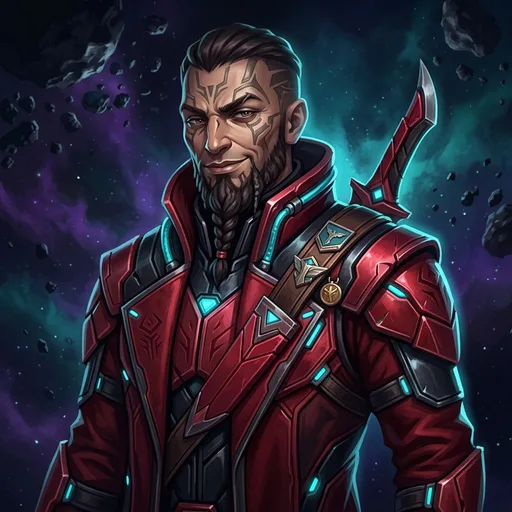
Every Monday a challenge opens: a puzzle on a small map against an AI written for it, in three difficulties. You start from challenge 1 in the week you register. With an account you win commander and ambassador portraits and a title, cosmetic only.
The second way to play the six factions, chosen when you create the game. With Standard, the powers have their own traits but shared ships, troops, buildings and superweapons; with Asymmetric, each has its own ships, technologies, troop, building, defence and superweapon, with stronger bonuses and penalties.
Two modes, from the main menu, with all the usual game options. In Survival the galaxy strikes back with 40 events in four levels of severity, announced one cycle ahead: whoever averts them scores points. In Co-op everyone — people and allied AIs — plays on the same side against the galaxy, with a shared Threat to keep low and three difficulties.
8 cycles in the standard game. When creating it you can choose Fast (6 cycles, doubled resources) or Long (12 or 16 cycles). Online games can be suspended and resumed.
Italian and English, including rules, factions and story.
Free, in your browser. A game against the AI starts in a minute.